Unveiling the Complexities of Style and Production at a Metal Foundry
The layout and manufacturing procedures at a metal foundry include a collection of complex actions. Each stage, from choosing raw materials to melting and casting, plays an important role in the final item. Aluminum Foundry. Precision and quality assurance are extremely important in this sector. As technology developments, new developments are emerging. These growths might redefine standard practices. What implications do these changes hold for the future of steel factories?
The Melting Process: Turning Raw Materials Into Liquid Metal
The melting procedure serves as the essential very first step in transforming resources right into liquid steel, a treatment important for foundry operations. This phase starts with the mindful option of steels, which may consist of aluminum, copper, or iron, depending upon the wanted final item. Each material is reviewed for pureness and structure to guarantee perfect melting problems.
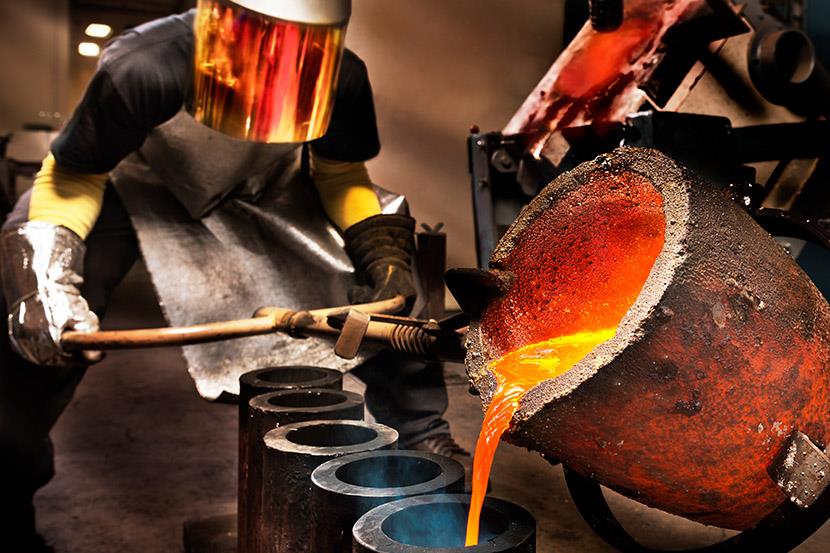
As the steels reach their melting point, they transform from solid to fluid, allowing for further improvement. This procedure can likewise consist of the removal of contaminations through slag development, guaranteeing the high quality of the fluid metal. Eventually, the successful conclusion of the melting process lays the foundation for subsequent metalworking procedures.
Molding Strategies: Forming Metal With Precision
Adhering to the melting procedure, the next stage in metal foundry operations entails molding techniques that shape the fluid metal right into preferred types. Various approaches are utilized, each picked based upon the specific needs of the task. Sand spreading, one of the most common techniques, utilizes a mixture of sand and binder to create molds that can be quickly formed and reused. An additional method, financial investment spreading, entails producing a wax pattern that is coated in a ceramic covering, enabling complex styles and high accuracy.
Die spreading, on the other hand, makes use of high-pressure to infuse molten steel right into steel molds, resulting in resilient and uniform items. Additionally, the option of molding method impacts the cooling rate, surface coating, and dimensional precision of the last item. Consequently, understanding these strategies is vital for enhancing layout and making certain the effective manufacturing of steel parts customized to particular applications.
Casting Methods: From Model to Production
Various casting methods are used in steel factories to move from model advancement to full-blown production. Amongst these techniques, sand casting sticks out for its flexibility and cost-effectiveness, making it perfect for both little and huge production runs. Financial investment casting, known for its accuracy, is typically made use of for complex geometries, enabling fine information in the end product. Die spreading, ideal for high-volume manufacturing, uses molten metal injected into molds, supplying exceptional check my reference surface area coating and dimensional precision.

Quality Assurance: Ensuring Quality in Every Pour
While the spreading process can vary considerably between approaches, maintaining strenuous quality assurance is vital to establish that every pour fulfills the needed standards. Quality assurance in a metal foundry incorporates a series of systematic checks and assessments designed to identify defects early in the production procedure. This consists of precise assessments of resources, surveillance of melting temperature levels, and assessments of mold honesty.
Foundry employees employ various screening strategies, such as non-destructive screening and dimensional confirmation, to ascertain that spreadings attain wanted specifications. Additionally, adherence to established industry criteria and certifications improves the integrity of the end product.
Comments loops are also essential; any kind of disparities noted throughout top quality evaluations are evaluated to refine procedures and mitigate future errors. Inevitably, a society of top quality guarantee read this article cultivates not only consumer satisfaction but likewise a reputation for quality in the competitive landscape of steel production.
Technologies and Technologies: The Future of Metal Foundries
The landscape of metal factories is More hints quickly advancing, driven by innovations in technology and cutting-edge practices. Automation and robotics are transforming conventional operations, boosting performance and precision throughout production. Automated pouring systems and robotic arms lower human mistake, leading to greater high quality outcomes. In addition, the assimilation of expert system is enabling anticipating maintenance, maximizing tools performance, and minimizing downtime.
Additive manufacturing is emerging as a game-changer, enabling rapid prototyping and the production of complicated geometries that were previously unattainable. This innovation promotes the personalization of steel parts, satisfying particular customer demands without significant dead time.
Sustainability is also a crucial focus, with factories taking on greener techniques, such as recycling scrap steel and making use of energy-efficient furnaces. These innovations not just boost efficiency yet also align with international initiatives towards environmentally liable manufacturing, ensuring the future of metal factories remains affordable and robust in an altering commercial landscape.
Often Asked Concerns
What Kinds of Metals Are Typically Used in Shops?
Typical metals utilized in shops consist of aluminum, cast iron, steel, bronze, and brass (Metal Casting). Each metal possesses unique residential properties, making them suitable for different applications in industries such as vehicle, aerospace, and building and construction, among others
Just How Do Shops Manage Waste and Environmental Impact?
Shops handle waste and ecological impact by executing recycling programs, using sophisticated purification systems, and adhering to stringent regulative requirements. They often invest in lasting modern technologies to decrease exhausts and advertise liable resource usage throughout their operations.
What Precaution Remain In Area for Workers?
Foundries apply various safety and security actions for workers, including personal safety equipment, appropriate ventilation systems, normal security training, emergency response methods, and stringent adherence to work-related health and wellness policies to decrease threats connected with dangerous products and equipment.
The length of time Does the Entire Production Refine Generally Take?
The whole production procedure generally takes a number of weeks, relying on the complexity of the style and the materials utilized. Elements such as mold preparation, melting, and cooling time greatly affect the total period of manufacturing.
What Are the Main Challenges Encountered by Metal Factories Today?
Metal shops today face difficulties such as climbing product expenses, varying demand, environmental guidelines, competent labor scarcities, and preserving quality control. These concerns complicate manufacturing efficiency and productivity in a progressively competitive market.
The style and production processes at a metal foundry involve a collection of elaborate actions. The melting procedure serves as the critical initial step in changing raw products right into fluid steel, a procedure essential for foundry procedures. Adhering to the melting process, the following phase in steel foundry operations includes molding methods that shape the liquid steel right into preferred types. Many casting techniques are utilized in metal shops to move from model advancement to full-blown manufacturing. Quality control in a metal foundry incorporates a series of systematic checks and examinations developed to identify flaws early in the manufacturing process.